
House price and earnings gap lowest since 2015

House price and earnings gap lowest since 2015


Todays other news

Deloitte crowns OneDome second fastest-growing fintech

OneDome ranks second among UK fintechs and seventh overall in...

My Mortgage Partner sees 10,000 users in five weeks

Stonebridge's new consumer app attracts over 10,000 borrowers, offering digital...

Brokers warn of underinsurance risk

Prestige Underwriting research reveals valuation errors and rising rebuilding costs...

Skipton expands role in NPTN by LMS

Skipton, Connells Group and LMS strengthen collaboration to streamline property...

Paragon Bank joins BDLA ahead of bridging launch

Paragon Bank joins the BDLA ahead of its bridging finance...
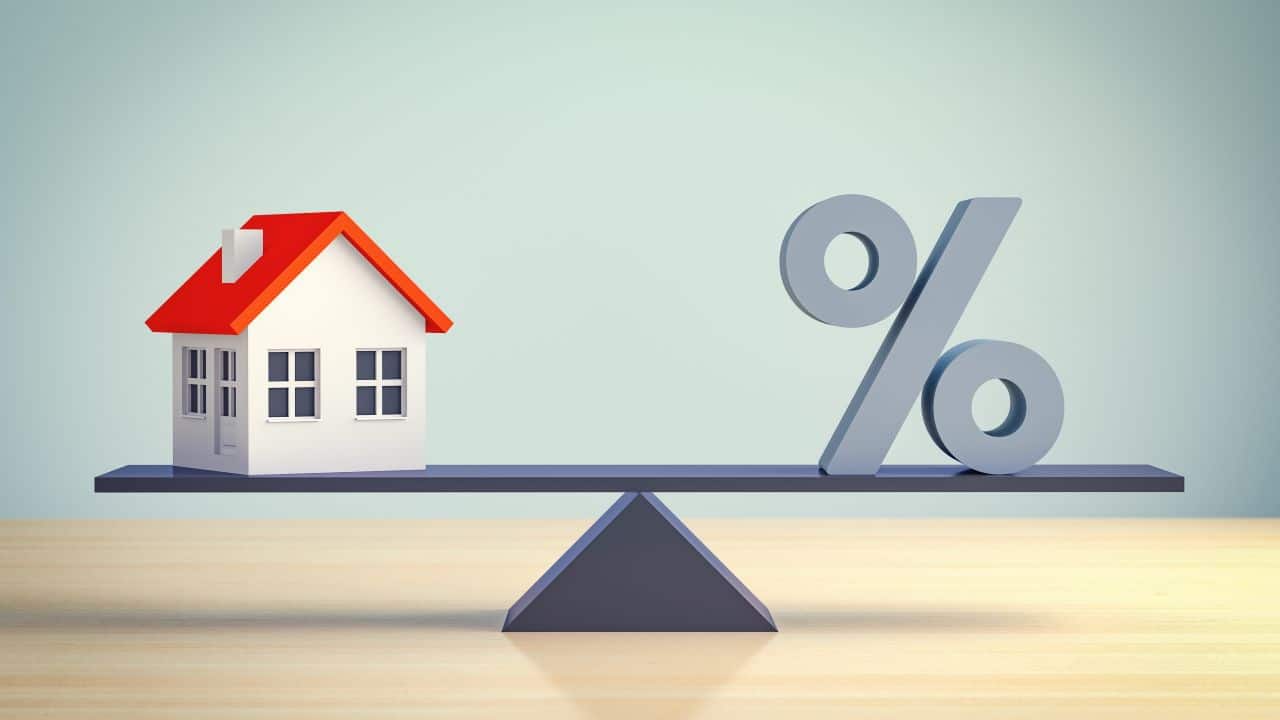
House and percentage symbol on a seesaw representing mortgage rates.

But interest rates have driven up mortgage costs

The gap between house prices and earnings has narrowed to an 11-year low, with the UK house price-to-income ratio falling from 7.6 last year to 7.3, its lowest since 2015, according to the latest figures from Lloyds.

Across the UK, the average property price increased by +0.5% over the last year to £299,131. Meanwhile, average earnings rose by +4.5% to £40,790.

Advertisement

For first-time buyers, homes now cost less than six times earnings, falling from 6.1 to 5.9, also the lowest level since 2015. The typical property price was broadly stable over the last year for such buyers, rising by just 0.3% from £238,875 to £239,681.

Advertisement

However, higher interest rates have driven up monthly mortgage costs, which have risen by £57 over the last year, from £1,100 to £1,157.

Saving for a deposit also remains a big hurdle for many buyers. A typical first-time buyer still needs to save almost £24,000 for a 10% deposit. However, the research showed that mortgage repayments are often still lower than equivalent rental costs, with average monthly rent rising +3.2% to £1,382 from £1,339 last year. The average first-time buyer mortgage payment now accounts for around 34% of income, compared with 41% for those renting.

Regional differences

Regionally, the biggest improvements in affordability are generally seen in regions where house prices were most expensive relative to earnings, with the South East recording the largest improvement, with the average home now costing 9.1 times earnings, down from 9.7 a year ago.

This was followed by Greater London, down from 10.9 to 10.3, while Eastern England improved from 8.7 to 8.2 and the South West from 8.2 to 7.7. London and the South East remain the two least affordable regions, however.

By comparison, regions and nations with lower house price-to-earnings ratios generally saw less movement, including 5.1 to 5.0 in the North East, unchanged at 5.3 in Scotland and down from 6.5 to 6.3 in the North West and from 6.0 to 5.8 in Yorkshire and the Humber.

Advertisement

In Northern Ireland, house prices rose by +7.4% compared to a +3.7% rise in earnings, increasing the price-to-earnings ratio from 5.8 to 6.0.

Andrew Asaam, mortgages director at Lloyds, said: “There are some encouraging signs for people looking to buy a home. Wages have continued to rise while house prices have remained relatively stable, helping to narrow the gap between earnings and house prices. However, affordability remains stretched for many households.”

Tom Bill, head of UK residential research at Knight Frank, said: “The house price gap between London and the rest of the country continues to narrow as more affordable parts of the country see stronger growth. Eventually, demand will gravitate back towards the capital and south-east England when the discount gets small enough, restarting the cycle.”
Share this article ...

Join the conversation: Login and have your say

Want to comment on this story? Our focus is on providing a platform for you to share your insights and views and we welcome contributions. All comments are screened using specialist software and may be reviewed by our editorial team before publication. Introducer Today reserves the right to edit, withhold or delete comments that violate our guidelines, including those that harass, degrade, or intimidate others. Users who post such content may be banned from commenting.
By commenting, you agree to our Commenting Terms of Use.
Recommended for you
Related Articles

Biggest annual house price fall in 3 years

Lloyds reports a 1.2% yearly decline in UK property values,...

Rising mortgage rates weighing on UK housing market

Falling house prices, fewer mortgage approvals and higher borrowing costs...

Prices may rise if buyers borrow more

BestAgent warns that relaxing mortgage lending limits could inflate house...

Interest rate rise – Industry reacts

Property experts warn of mortgage affordability pressures and slower housing...

Interest rate threat and mortgage affordability cause market to stagnate

Higher mortgage costs and economic uncertainty are expected to keep...

Mortgage shock ahead as rates set to rise

Major lenders reprice deals as swap rates climb, adding further...

More mortgage rate misery to come

Rising swap rates are pushing lenders to reprice fixed deals,...
Recommended for you
Latest Features

Deloitte crowns OneDome second fastest-growing fintech

OneDome ranks second among UK fintechs and seventh overall in...

My Mortgage Partner sees 10,000 users in five weeks

Stonebridge's new consumer app attracts over 10,000 borrowers, offering digital...

Brokers warn of underinsurance risk

Prestige Underwriting research reveals valuation errors and rising rebuilding costs...
Sponsored Content

95% LTV Second Charge Mortgages, NO ERC’s and Fixed Rates starting from 3.65%

Historically second charge mortgages or secured loans as they are...

One low rate

Lenders must say what they mean and mean what they...

Send to a friend

In order to send this article to a friend you must first login. Click on the button below to login or sign up.